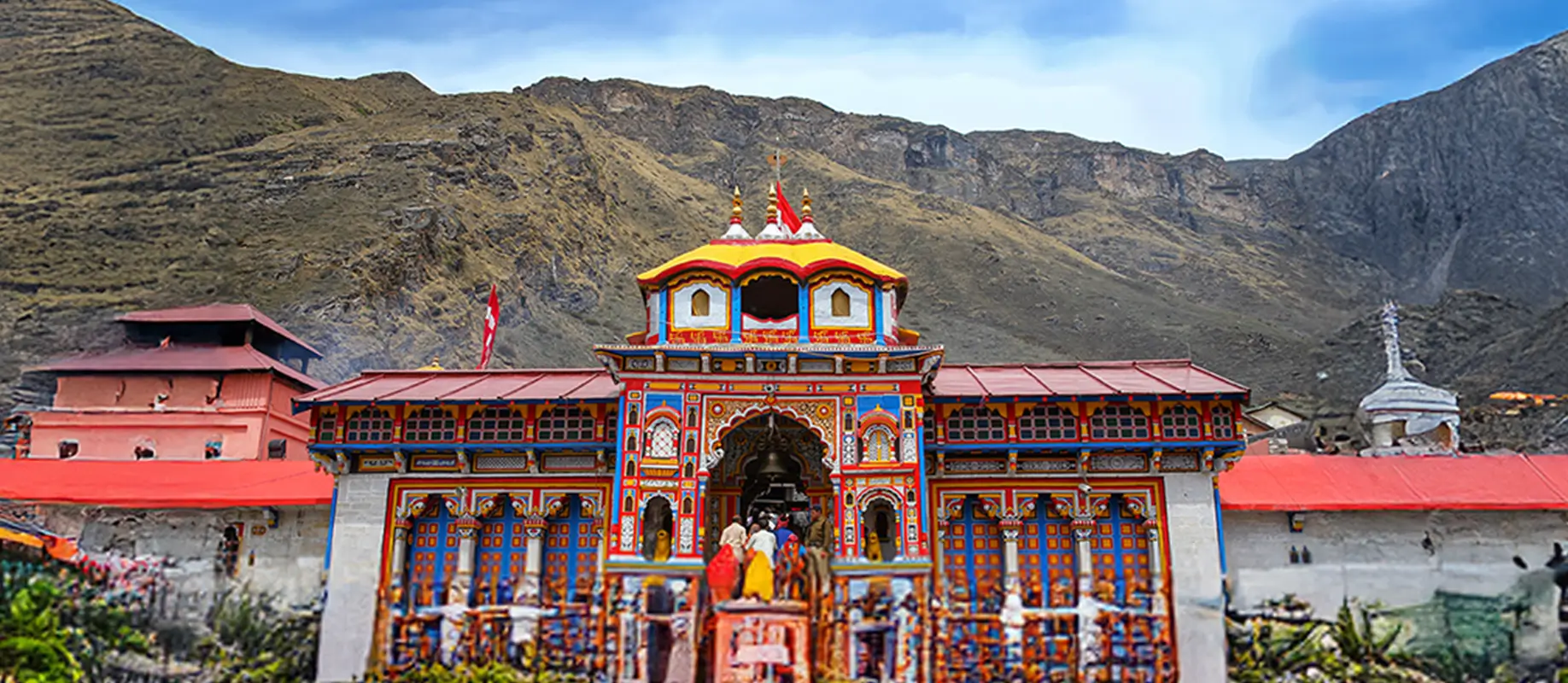
There is a certain way most people imagine reaching Badrinath. Long mountain roads, the Alaknanda moving alongside, stops for tea that somehow feel necessary even when they aren’t. But that journey, while beautiful, is not light. It takes time, stamina, and patience for sharp turns, traffic halts, and weather that changes without asking anyone.
Which is why helicopter access to Badrinath Temple Darshan has become more common. Not glamorous, just spiritual. Still, it helps to understand what you are actually booking, because a helicopter changes the journey but it does not change the Temple.
What Helicopter Darshan Really Is
The phrase sounds bigger than it is. A helicopter booking to Badrinath is a travel arrangement, not a special entry scheme and not a spiritual fast track. The aircraft lands at the designated helipad near the town, and from there pilgrims proceed toward the Temple just as everyone else does.
The Darshan process follows the exact structure laid down by the authorities, and that matters. Heli yatra helps in reducing tiredness and the time spent navigating mountain highways, but the rituals and the sanctity of Badrinath Temple remains the same. Inside the Temple, the experience remains structured, brief, regulated, and equal.
Who Regulates the Helicopter Services
Helicopter services during the yatra season function under the oversight of the Government of Uttarakhand, coordinated with aviation authorities. They are not informal helicopter running casually through the hills. Services are seasonal and approved, and booking links are generally published through official state government portals when the temple opens for the year.
It is important to check the source of your booking page. If a website promises guaranteed priority Darshan inside the Temple in exchange for an added “special fee,” it is wise to step back. Temple procedures are governed by official authorities and cannot be bypassed. For a more reliable and convenient experience, many travellers choose to book through Easydarshan, which helps streamline the travel arrangements and makes the overall process easier to navigate.Temple procedures are governed by official authorities. The travel part can be arranged, but the ritual structure cannot.
When These Flights Operate
Badrinath opens each year around late April or early May and closes sometime between October and early November, depending on the calendar and conditions. Badrinath Helicopter services run within that window.
But there is one part people often underestimate. Weather in the Himalayas does not negotiate. A clear sky in Dehradun does not guarantee visibility in Badrinath. Fog settles, winds shift, and rain appears without rehearsal. Flights get delayed and sometimes cancelled, not because of inefficiency but because mountain aviation requires visibility and stability. A confirmed ticket still carries uncertainty, and that is simply part of travelling here.
The Booking Process
The actual online process is not complicated. It just needs attention.
- Start with the official portal. During the open season, the Government of Uttarakhand lists approved helicopter services on its official tourism or aviation websites.
- Look for secure government domains and avoid links circulated casually on social media without verification. This is not the place for guesswork.
- Choose your departure sector. Flights typically operate from approved helipads such as Dehradun and other notified locations in Uttarakhand.
- Select your departure point and date carefully, because peak months fill quickly, sometimes within days of booking windows opening. Morning slots are usually the first to go.
- Enter passenger details carefully. Names must match government issued ID exactly. Age, gender, and identification number are verified at reporting time. Weight information is also required for aircraft balance calculations. It is not optional and should not be approximate, because accuracy prevents boarding complications later.
- Complete the online payment. Fares vary slightly each season depending on regulatory approvals and fuel costs.
- Generally, prices fall within a broad range, often between INR 6,000 and INR 12,000 per person depending on the sector and whether the package includes a return the same day.
- Always retain the digital confirmation and receipt. Taking a screenshot or printing a copy provides simple backup and reduces stress on travel day.
Reporting at the Helipad and Arrival
- Passengers are usually asked to report at least one hour before departure.
- There will be document verification, a safety briefing, and weight confirmation.
- Baggage allowances are minimal. Only small handbags are permitted in most cases due to aircraft limitations. It is not an airport experience. It is simpler, but still structured.
- After landing in Badrinath, the helipad is located a short distance from the Temple area.
- From there, pilgrims walk or use local transport arrangements depending on availability and package details.
- And then the experience becomes like any other visit. You stand in queue, move forward gradually, and enter for Darshan according to Temple protocol.
- Unless a separately sanctioned puja has been booked through Temple authorities, there is no automatic priority entry. The helicopter shortens the road, but it does not shorten ritual order.
Same Day Return or Staying Overnight
Some packages operate as same day returns. Fly in, proceed for Darshan, and fly back. Efficient, yes, but sometimes tight.
During peak season, Darshan queues can extend and waiting times stretch longer than expected. A same day plan leaves less room for delay. An overnight stay allows early morning Darshan, which many consider calmer.
Accommodation arrangements are separate unless explicitly included in a government approved package. Reading the inclusions line by line before confirming helps avoid confusion later.
Health, Altitude and Practical Awareness
Badrinath sits at over 3,000 metres above sea level. Arriving by helicopter does not reduce altitude impact. Those with heart conditions, respiratory concerns, or recent surgeries should consult a medical professional before booking.
Even otherwise healthy travellers should move slowly after landing, hydrate properly, avoid rushing, and allow the body some time to adjust. The mountains do not respond well to hurry.
Carry government issued photo ID, the same one used during booking. Keep your booking confirmation accessible, either printed or digital. If yatra registration is mandated for the season, complete it in advance and carry emergency contact details. Basic steps, but often overlooked.
Understanding Costs and Value
Helicopter fares usually include air travel, applicable taxes, and handling charges. They generally do not include special pujas, VIP Darshan, accommodation unless specified, or meals.
If something sounds bundled in that feels unrelated to air travel, it helps to read the details carefully. Clarity at the booking stage avoids disappointment later.
Is it worth choosing this option? For elderly pilgrims or those unable to endure extended road travel, helicopter access makes Badrinath reachable in ways that might otherwise feel unrealistic. For travellers on tight schedules, it compresses what could be a ten to twelve hour road journey into under an hour of flight time.
At the same time, something changes when the slow ascent by road is removed. Not better. Not worse. Just different. Some value efficiency, while others value the gradual approach. The Temple remains the same either way.
Peak Season Realities
May and June are the busiest months. Bookings open early and close quickly. Flexibility helps, and so does early planning.
September often sees slightly lighter footfall, though weather becomes more unpredictable. There is no perfectly quiet month. Only varying degrees of movement.