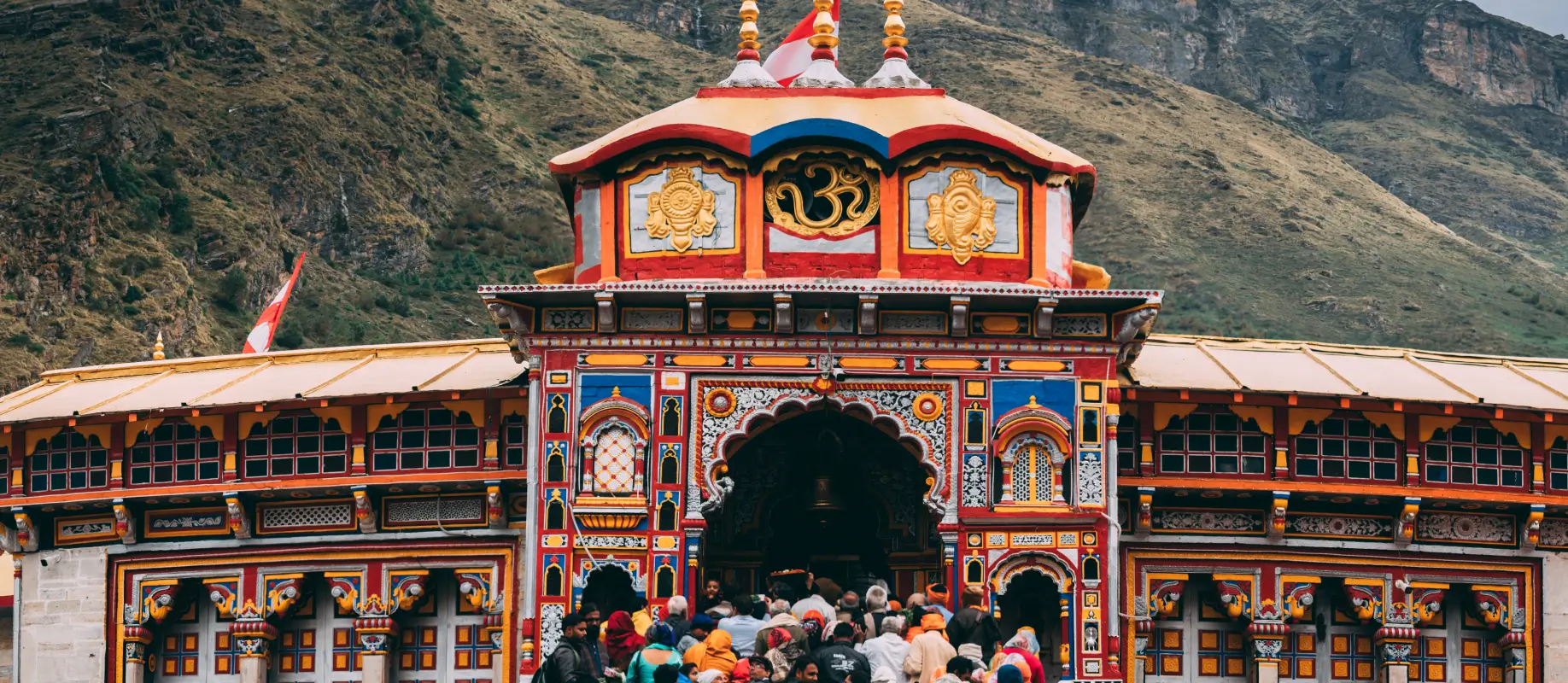
Every riding group has that one person who eventually says it: "Why don't we take the bikes all the way to Badrinath this year?" At first it sounds casual. Then routes start appearing in WhatsApp chats, hotel options get discussed over tea, and before long someone is checking tyre tread three weeks before departure, as if the bike already knows something is coming.
A bike trip to Badrinath has a way of doing that. It sits in the back of a rider's mind for months, sometimes years, before it actually happens.
Why Badrinath Appeals to Riders
Part of it is the destination itself- one of the highest motorable pilgrim towns in the country, tucked against the Garhwal Himalaya. But ask riders who've done it, and most won't talk about the temple first. They'll talk about the road.
The climb from Rishikesh onward isn't dramatic the way a coastal highway is. It's slower, more layered. The Alaknanda River appears beside the road for long stretches, sometimes far below, sometimes close enough to hear over the engine. Riders often stop at tea stalls not because they're tired, but because the view keeps asking them to pause.
There's also altitude. Badrinath sits over 3,100 metres, and the change in air and light as you climb is something photographs never quite capture.
Planning a Bike Trip to Badrinath
This isn't a route you finalise the night before. Permits aren't usually needed for Indian riders heading to Badrinath itself, but checkpoint registration along the way is routine during Char Dham Yatra season.
Most riders plan around the temple's opening dates, roughly late April or early May to early November. Outside this window the road is often snowbound and the town shuts down.
Bookings matter more than people expect. Rooms in Joshimath, Badrinath and Rudraprayag fill up fast during peak months, and arriving without a reservation can mean an unplanned hour of riding in the dark looking for a bed.
Best Route
The standard Badrinath bike route from Delhi runs through:
Delhi → Haridwar → Rishikesh → Devprayag → Rudraprayag → Joshimath → Badrinath
Delhi to Haridwar is flat and fast — a warm-up more than a ride. Things change at Rishikesh, where the road starts hugging the river and the first real curves appear.
Devprayag, where the Bhagirathi and Alaknanda rivers meet, is worth more than a passing glance – many riders only mean to stop for five minutes and end up staying for twenty. From here, the Alaknanda becomes a constant companion.
Rudraprayag to Joshimath is where the road earns its reputation: narrower lanes, sharper bends, views that interrupt conversation. The final stretch to Badrinath gains altitude quickly, and this is usually where riders notice their bike — and their lungs — working harder.
Suggested Badrinath Bike Trip Itinerary
A realistic Badrinath bike trip itinerary spans five to six days round trip from Delhi.
- Day 1: Delhi to Devprayag (roughly 270 km)
- Day 2: Devprayag to Joshimath (around 150 km, slower roads)
- Day 3: Joshimath to Badrinath (about 45 km) — explore, rest, acclimatise
- Day 4: Badrinath back to Rudraprayag or Karnaprayag
- Day 5: Rudraprayag to Rishikesh
- Day 6: Rishikesh back to Delhi
Compressing this into four days is technically possible. It's rarely enjoyable.
Road Conditions
Anyone researching a Badrinath road trip should go in with realistic expectations about the tarmac, not just the scenery.
Mountain roads are narrow for long stretches, often single-lane with passing points rather than a continuous highway. Hairpin bends multiply between Chamoli and Joshimath, and seasonal repairs are common — crews patch sections damaged by winter snow and monsoon landslides, so fresh gravel isn't unusual even on otherwise good stretches.
Landslide-prone areas exist, particularly between Rudraprayag and Joshimath. Riders who've done this more than once say the same thing: check conditions the morning of, not the night before. Roads here change overnight.
Fog rolls in without warning past Joshimath. So does rain, even on days that start clear.
Safety Tips
A sensible pace matters more than engine power here. Overtaking on blind bends is asking for trouble — local taxi drivers know the road far better than visiting riders do.
Weather awareness isn't optional past Rudraprayag; mornings bring cooler, clearer roads, afternoons can turn without warning
Fuel planning needs to be deliberate. Pumps thin out after Rudraprayag, so topping up whenever one appears beats waiting until the tank runs low.
Group riding etiquette matters too — a designated lead and sweep rider, regular regrouping points, nobody overtaking the lead.
Protective gear isn't negotiable at altitude. A proper helmet, jacket, gloves and boots aren't about looking the part; they're about surviving a low-speed spill on gravel.
Riding after dark is best avoided. Streetlights are rare beyond Rudraprayag, and narrow roads, stray animals and unmarked edges make night riding genuinely risky.
Costs
Costs for a bike trip to Badrinath vary with bike type, riding style and group size, but rough estimates help with planning.
Fuel: For a 1,000 km round trip from Delhi, expect ₹6,000 to ₹9,000 depending on mileage and engine size.
Accommodation :Budget guesthouses run ₹800 to ₹2,000 a night; mid-range hotels in Joshimath or Badrinath can go up to ₹3,500 in peak season.
Food: Roadside dhabas keep things affordable — ₹400 to ₹700 per person per day eating mostly local food.
Parking: Often included with guesthouses; paid lots near the temple charge a small fee, usually under ₹100.
Miscellaneous: Tolls, minor repairs and extra tea stops add up — keeping ₹2,000 to ₹3,000 aside isn't a bad idea.
A reasonably budgeted five-day round trip for one rider often lands between ₹12,000 and ₹20,000.
Is This Ride Suitable for Beginners?
Riders new to the Himalaya ask this constantly, and the honest answer sits somewhere in the middle.
The road isn't as technically demanding as some of Ladakh's high passes — no Khardung La-style ice for most riders. But it isn't a beginner's first long ride either. Narrow roads, unpredictable weather and long days add up, and a rider with no experience handling a loaded bike on hills will find this trip humbling.
Beginners who've succeeded here rode with an experienced group, kept daily distances modest, and didn't rush the mountain sections. Going alone, with no hill-riding experience, on a tight schedule, is where things go wrong.
It's a route that rewards preparation and punishes overconfidence in roughly equal measure.