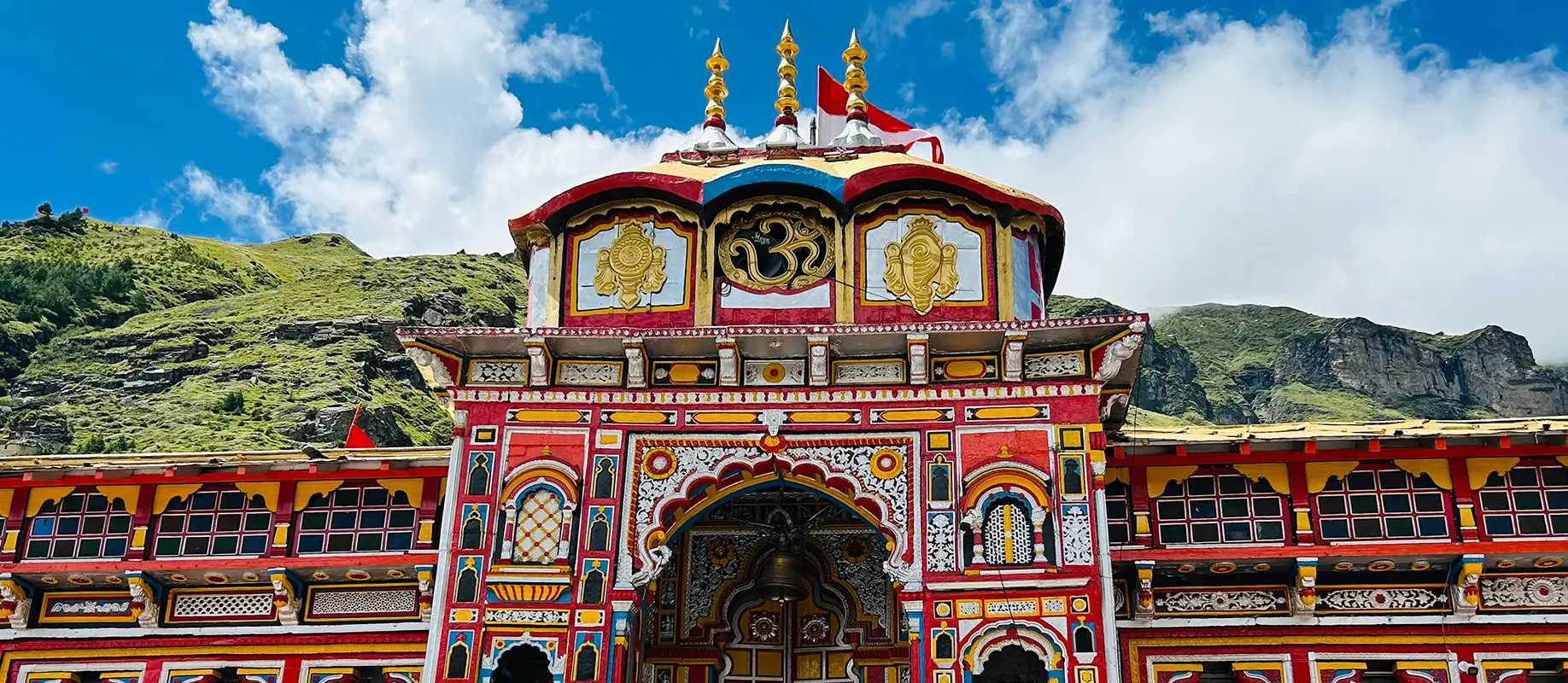
Badrinath is not a place people visit casually. Even with aircraft involved, the journey requires intention. Dates are compared with temple announcements. Weather forecasts are checked repeatedly. Family members discuss health and altitude. The preparation becomes part of the pilgrimage. For many travellers, Badrinath Helicopter Darshan begins in this planning stage rather than at the helipad. The temple does not remain open all year. Snow determines access. Administrative permissions follow natural conditions, not tourist demand. When the shrine opens, usually between late April and May, there is a quiet shift in the region. Roads become active again. Pilgrim movement resumes. Helicopter services restart under close supervision.
Early Season Clarity
The first few weeks of operation often carry a particular stillness. Snow remains visible along higher ridges. Morning light feels sharper in the valley. Air is thinner but cleaner. Some travellers prefer scheduling Badrinath Helicopter Darshan during this period because visibility tends to be more stable before monsoon moisture builds. Flights generally operate in early morning windows when mountain winds are calmer.
Temperatures remain low even in May. Layered clothing is necessary. The visit itself may be brief, but exposure to altitude requires patience rather than haste.
When the Monsoon Arrives
By July, the rhythm shifts. Clouds gather faster. Clear skies in the morning can change by midday. Operations continue, but delays become more common. Choosing Badrinath Helicopter Darshan during the monsoon requires flexibility. Travellers who build buffer time into their plans manage it well. Those on fixed schedules often find the unpredictability difficult.
There is, however, a different atmosphere during rain-washed weeks. Crowds thin. The valley appears greener. Waiting areas feel quieter. The experience becomes less hurried, even if departures adjust repeatedly.
The Post-Monsoon Balance
September brings gradual stability. Heavy rainfall recedes. Air clarity improves in longer stretches. Visitor numbers soften after the main rush. Many experienced travellers quietly favour this period for Badrinath Darshan. Not because conditions are guaranteed; nothing in the Himalayas is guaranteed, but because patterns feel steadier.
By October, temperatures drop more sharply. Mornings require heavier layers. There is also a subtle awareness that the season will soon close, adding a different kind of urgency.
Time of Day Matters More Than Month
In mountain regions, timing within a day can matter more than timing within a year. Early departures are usually prioritised. Air currents are more predictable. Visibility tends to be clearer before afternoon cloud build-up. Even the most carefully arranged Badrinath Helicopter Darshan depends on that morning stability. Operators monitor conditions continuously, but final clearance always rests with aviation and weather authorities.
Travellers quickly understand that departure times are provisional rather than fixed promises.
Cost Expectations for 2026
Helicopter services are mainly quoted in INR and charged on a per-passenger basis. While official 2026 figures will be confirmed closer to the season, recent ranges have often fallen between ₹90,000 and ₹1,50,000 depending on departure location and inclusions.
Travellers booking Badrinath Helicopter Darshan should factor in reporting time at the helipad, weight guidelines, possible waiting periods, and darshan coordination once landed. Air travel cuts down on surface transit, but it doesn’t eliminate steps outlined in procedures.
Altitude and Physical Considerations
Flying shortens distance. It does not reduce elevation. The temple stands at over 3,000 metres above sea level. Even after landing, visitors are advised to move slowly and avoid sudden exertion.
Many elderly travellers choose Badrinath Helicopter Darshan for this reason. The reduced road strain makes the journey manageable, though medical consultation remains advisable for those with respiratory or cardiac concerns. The mountains remain constant, regardless of transport mode.
Choosing the Right Window in 2026
There is no flawless month. Only trade-offs. Clearer skies often appear in late May, early June, and again in September. Monsoon weeks offer quieter surroundings but require patience. October brings a plaintive beauty and declining temps. Ultimately choosing a time for Badrinath Helicopter Darshan in 2026 will come down not so much to any one-size-fits-all guideline but to individual adaptability, fluidity and endurance of all-weather conditions and disposition toward problematic altitude. The aircraft may shorten the route. The experience still unfolds at the pace of the mountains.