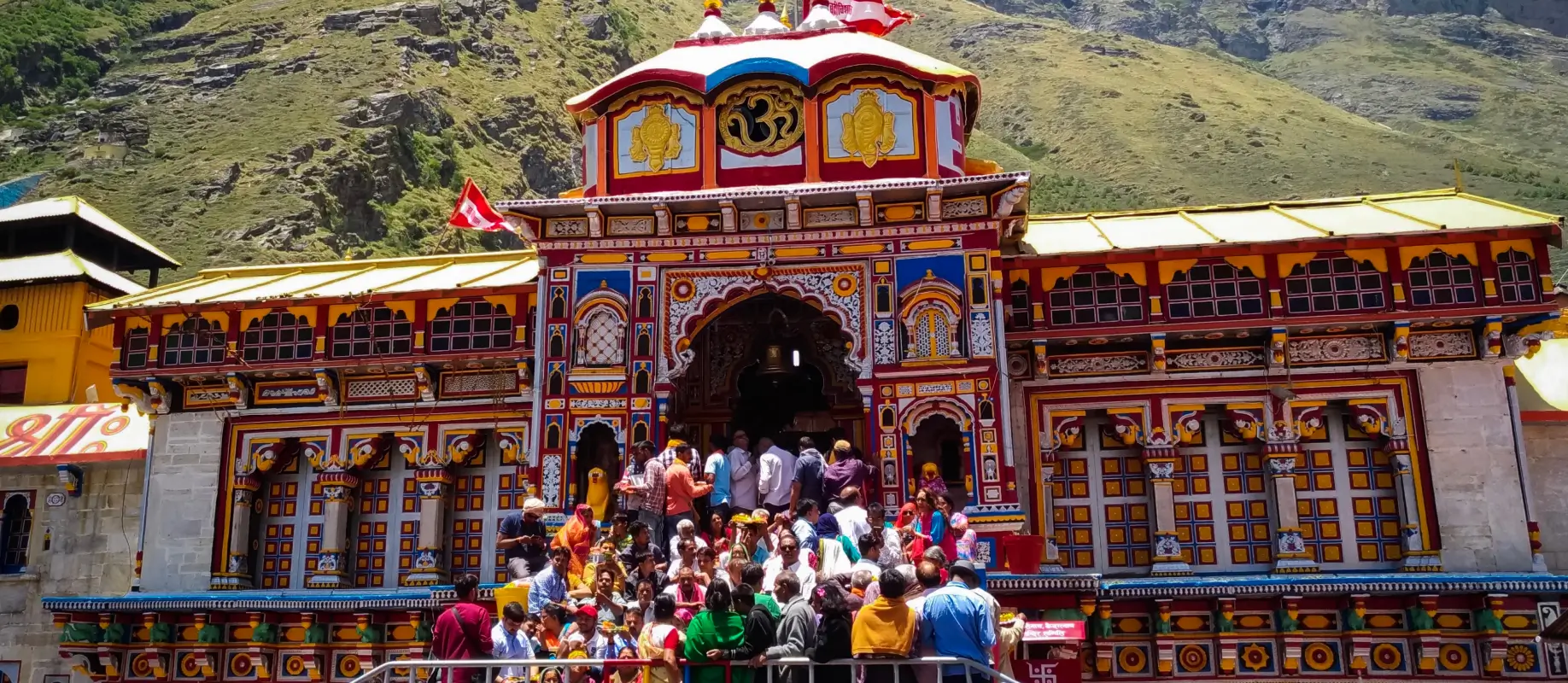
There's something about Badrinath Temple that feels bigger than a regular pilgrimage stop. Maybe it's the setting. Snow-covered peaks behind the shrine, the Alaknanda River moving alongside it, and a quiet but persistent sense that the journey itself is as much a part of the experience as the destination.
For anyone making their first time in Badrinath, that combination can feel genuinely overwhelming. The roads are long, the weather has its own agenda, and the temple town operates on a rhythm that most tourist destinations don't. Coming in with some understanding of what to expect doesn't diminish the experience. It protects it.
Understanding Badrinath Temple Before You Arrive
The Badrinath Temple, one of the most significant pilgrimage sites in India and a key stop on the Char Dham Yatra, sits in Uttarakhand's Chamoli district at roughly 3,300 metres above sea level. It's dedicated to Lord Vishnu and surrounded by a landscape that makes it unmistakably Himalayan in character.
What that means practically is that visiting here involves mountain travel, altitude, and weather that changes faster than most people account for. This isn't a temple you visit between other activities on a comfortable itinerary. For anyone travelling first time in Badrinath, the most useful shift in mindset is this: treat it as a Himalayan pilgrimage, not a temple visit with a mountain backdrop.
Do's for First-Time Visitors to Badrinath Temple
Start the journey early in the morningMountain roads behave differently as the day progresses. Landslides, traffic building up around narrow stretches, and afternoon weather changes are all more common the later you leave. If you're travelling from Joshimath, Rudraprayag, or anywhere along the route to the Badrinath Temple, an early start isn't just advice. It's the difference between a manageable drive and a stressful one.
Carry proper warm clothingUnderestimating the cold is one of the most consistent mistakes made on a first time in Badrinath trip. Summer months feel deceptive. Afternoons can be mild, but mornings are cold, nights are colder, and rain drops the temperature further without much warning. Pack thermal layers, a waterproof jacket, comfortable trekking shoes, and woollen accessories. These aren't optional extras. They're basics for this altitude and this region.
Take time to acclimatiseThe Badrinath Temple area sits high enough that some travellers notice breathlessness, mild headaches, or a general fatigue that seems disproportionate to their effort. That's altitude, not unfitness.
When you arrive, rest before doing anything else. Drink water consistently. Don't push immediately into darshan or sightseeing. For elderly travellers especially, this isn't overcaution. It's the sensible approach to a body adjusting to thinner air.
Visit Tapt Kund before darshanJust below the temple, Tapt Kund is a natural hot spring that pilgrims have been using as a ritual bathing point before entering the Badrinath Temple for centuries. The warm water is considered spiritually significant, and practically speaking, it eases the body into the cold in a way that's genuinely welcome at that altitude. Don't skip it.
Build buffer time into every leg of the journeyMountain travel and tight schedules don't work well together. Roadblocks, weather delays, and traffic around the Badrinath Temple route are not unusual. They're expected. Planning with buffer time means that when something causes a delay, which it often does, it stays a minor inconvenience rather than unravelling the entire trip.
Don'ts for First-Time Visitors
Don't ignore weather updatesThe weather near Badrinath Temple can shift from clear and calm to rainy and cold within the same morning. Before starting any road journey in this region, check conditions. It takes two minutes and can save hours of difficulty on the road.
Don't overpackIt's a common instinct on a first time in Badrinath trip to pack for every possible scenario. The problem is that the journey involves repeated movement, hotel transfers, and limited vehicle space in narrower stretches. A lighter bag makes every part of the trip easier. Pack essentials, leave the rest behind.
Don't rush the darshan processThe Badrinath Temple gets crowded during peak Char Dham season, and trying to move through it quickly usually just creates stress without saving meaningful time. Early morning visits are generally calmer, better organised, and allow the whole experience to breathe. If the queue is long, let it be long. The temple will still be there.
Don't rely entirely on mobile connectivityNetworks around the Badrinath Temple region are inconsistent at best and absent at worst, particularly during heavy rainfall or high tourist movement. Download your maps, hotel confirmations, permit documents, and anything else you might need to access offline before you leave a city. Don't assume you'll be able to look things up when you need them.
Don't treat it like a regular hill station tripThis is where expectations can go wrong. A first time in Badrinath journey is physically and mentally different from a casual mountain weekend. The roads are longer, the altitude is higher, the oxygen is thinner, and the facilities in certain areas are limited. Going in with realistic expectations doesn't lower the experience. It raises it, because you're prepared for what the place actually is rather than what you imagined it to be.
Common Mistakes Travellers Make at Badrinath
Ignoring altitude fatigueEven people who are fit and healthy feel the effects of altitude here. Walking too fast, skipping rest, or pushing through early symptoms makes things worse rather than better. Slow down. The temple isn't going anywhere.
Arriving without confirmed accommodationPeak Char Dham season brings significant pilgrim movement into a relatively small town. Last-minute accommodation searches in Badrinath during this period range from difficult to genuinely stressful. Book ahead and confirm before you leave.
Wearing the wrong footwearThe area around the Badrinath Temple can get slippery. Rain, temple water overflow, and wet stone surfaces all contribute to this. Good grip matters far more than how your shoes look. This is not the trip for new sneakers or sandals.
Leaving without exploring nearbyTemple darshan and immediate departure is a pattern that leaves a lot on the table. Places like Mana Village, just a few kilometres from Badrinath and the last inhabited village before the Indo-Tibetan border, Vasudhara Falls, Charan Paduka, and Tapt Kund all add real depth to the experience. Give them time if the schedule allows.
Best Time for First-Time Visitors to Badrinath
The two windows that work best are May to June and September to October.
During these months, weather is relatively stable, roads are accessible, and the temple is open and functioning. Post-monsoon weeks in September and October are worth particular attention. Crowds are thinner, the air is cleaner after the rains, and the surrounding peaks tend to be clearer.
Monsoon months bring landslides and serious road delays across Uttarakhand's mountain routes. Winters close the temple entirely due to snowfall. For anyone planning their first time in Badrinath, these are months to avoid rather than experiment with.
What Makes the Experience Different
Badrinath Temple isn't built around comfort or luxury. It's built around movement, weather, patience, and something harder to name.
Some parts of the journey will feel tiring. Roads will test your patience at points. The cold will feel sharper than you expected at least once. And then something will shift. The clouds will clear, the temple will come into view against the mountains, and the entire long journey will suddenly feel completely proportionate to what it brought you to.
That's the balance most travellers carry home from Badrinath. Not the comfort of the trip, but the feeling that the effort was exactly right.